Proclaimer Blog
Exploring 20th Century Evangelicalism at Cornhill Plus
Cornhill Plus students had an excellent time at their second residential of the year.
We spent five wonderful days at Ashburnham Place in East Sussex, soaking in the beauty of the grounds, relishing delicious food and enjoying each other’s company.
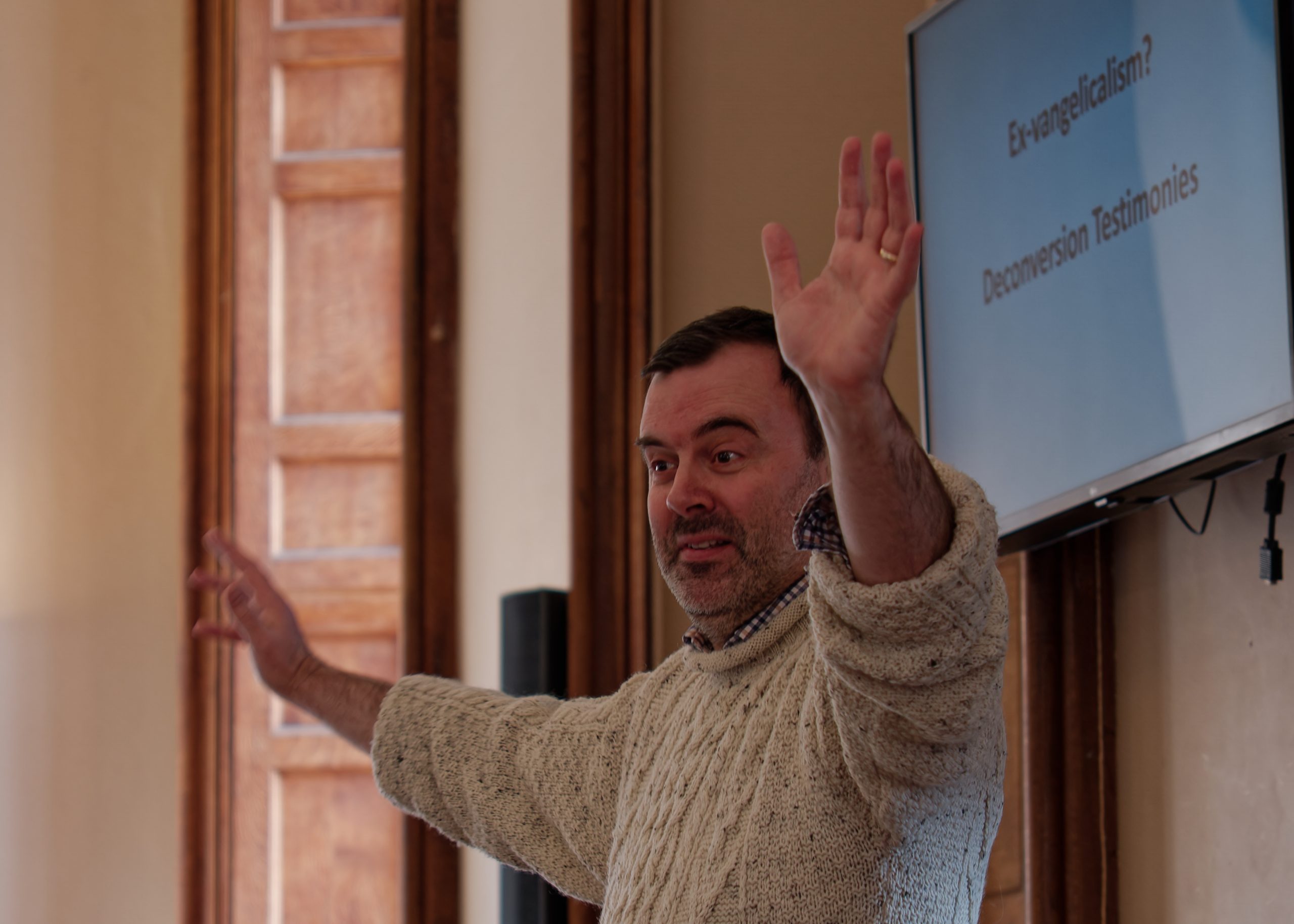
The theme of the residential was 20th century UK evangelicalism. Dr Andrew Atherstone, from Wycliffe Hall, delivered insightful talks on what it means to be an evangelical, and the development of the movement over time. We recognised the debt that we owe under God to pastor-teachers and theologians such as John Stott, Jim Packer and Martyn Lloyd-Jones, who faithfully preached the Gospel despite differing views on some issues. We also learned about the history of the Charismatic movement in the United Kingdom, and the impact of the Alpha Course in spreading the Gospel worldwide. It was amazing to see how God had used all these people and their influence to save multitudes of sinners around the world!
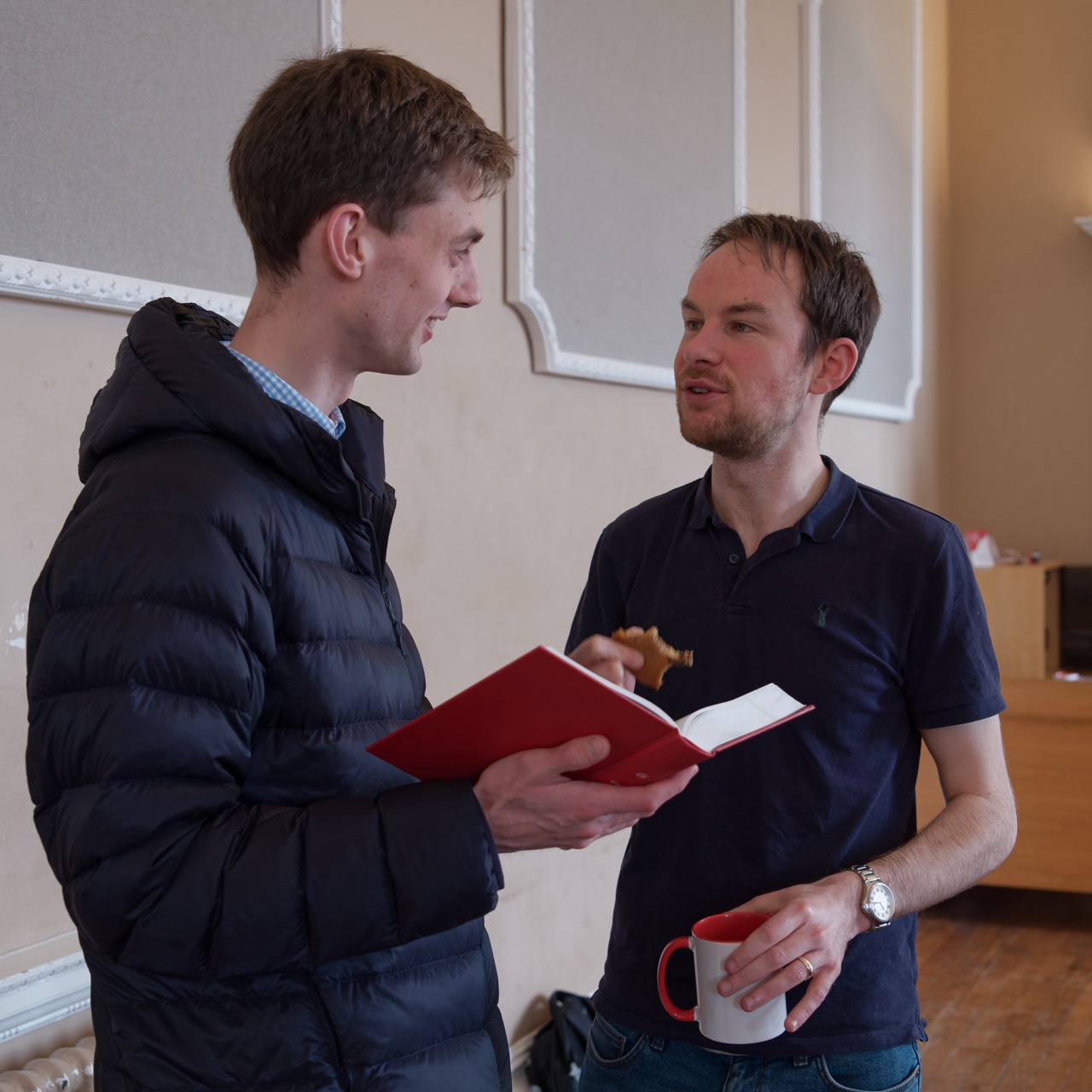
Gwilym Davies’ insights from Acts 13-28 intertwined with our study of church history. We were reminded that the risen and ascended Lord Jesus is directing the advance of the gospel to the ends of the earth through the witness of his suffering servants. The 20th century evangelical movement undoubtedly experienced internal division and external opposition, but by the help of the Spirit it has made significant gains nonetheless.
In the afternoons, each student presented on an influential figure in 20th century UK evangelicalism. We heard about people such as Amy Carmichael, Billy Graham, C. S. Lewis, Edward Poole Connor, and Terry Virgo. We reflected on their strengths and weaknesses and discussed the implications for the church today.
Evenings were filled with engaging interviews, Q&A sessions, prayer, and lighthearted activities like games and even a talent show!
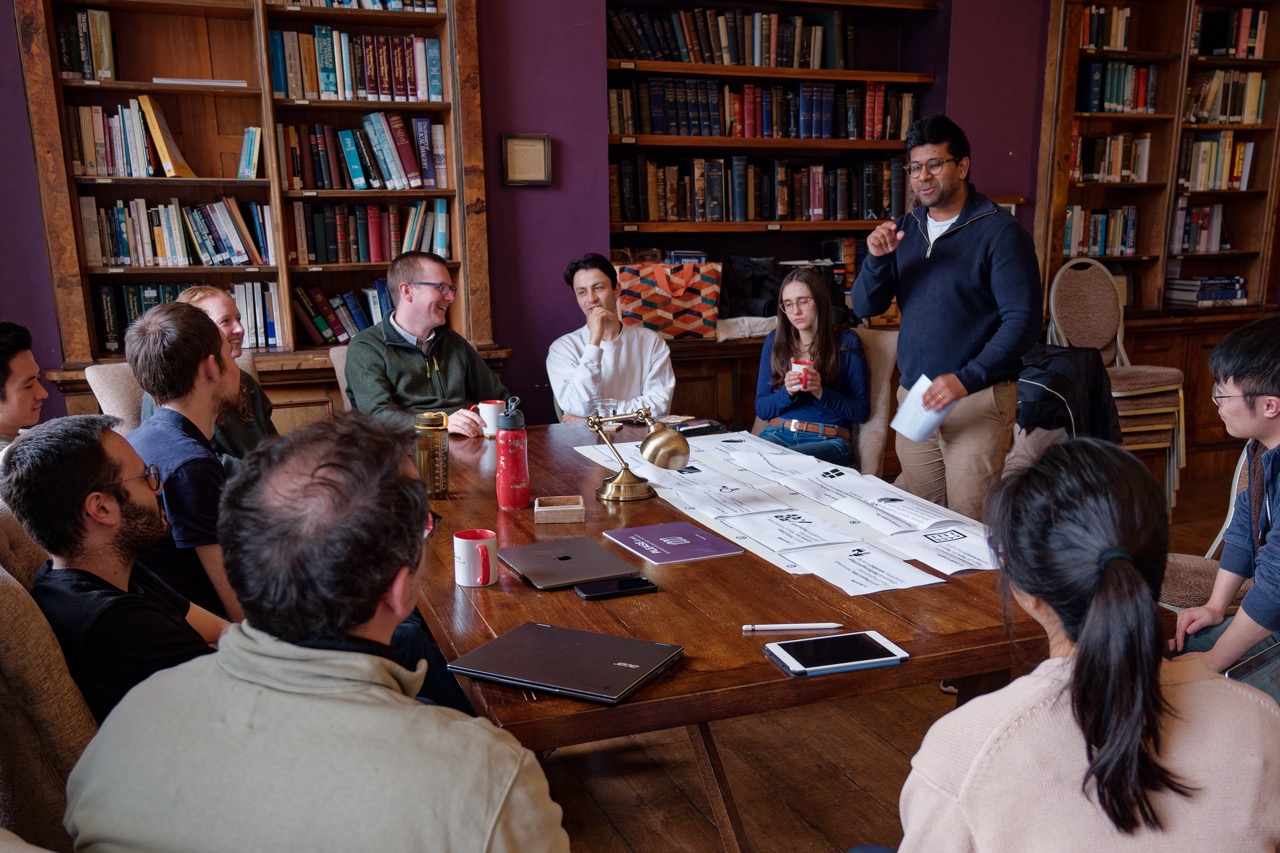
All in all, the residential was superb. We departed with enriched knowledge of church history, fortified confidence in the sovereignty of Jesus Christ, and a deepened love for one another. To God be the glory!
Proclaimer Blog
What I learnt from the 2024 Women in Ministry Conference
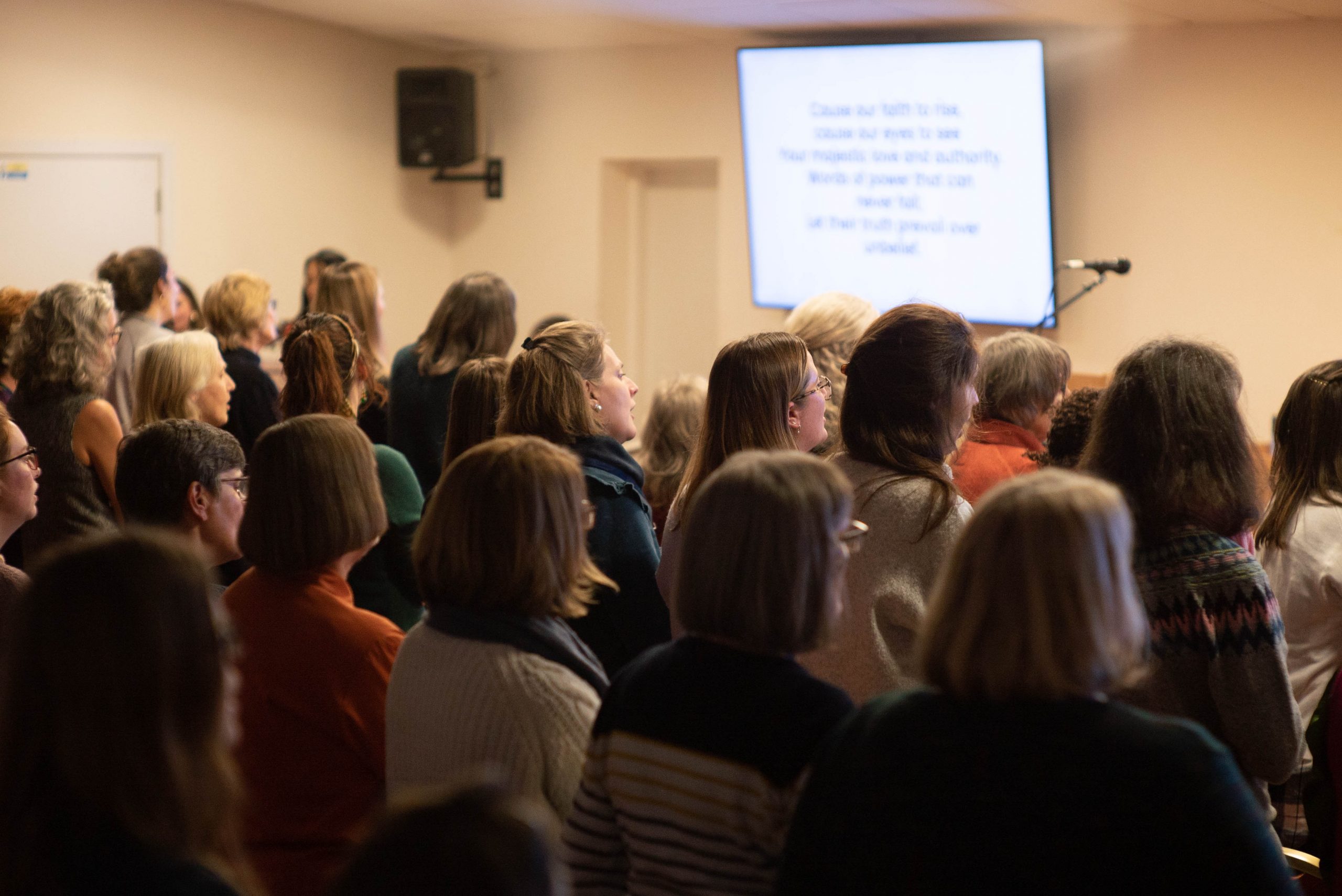
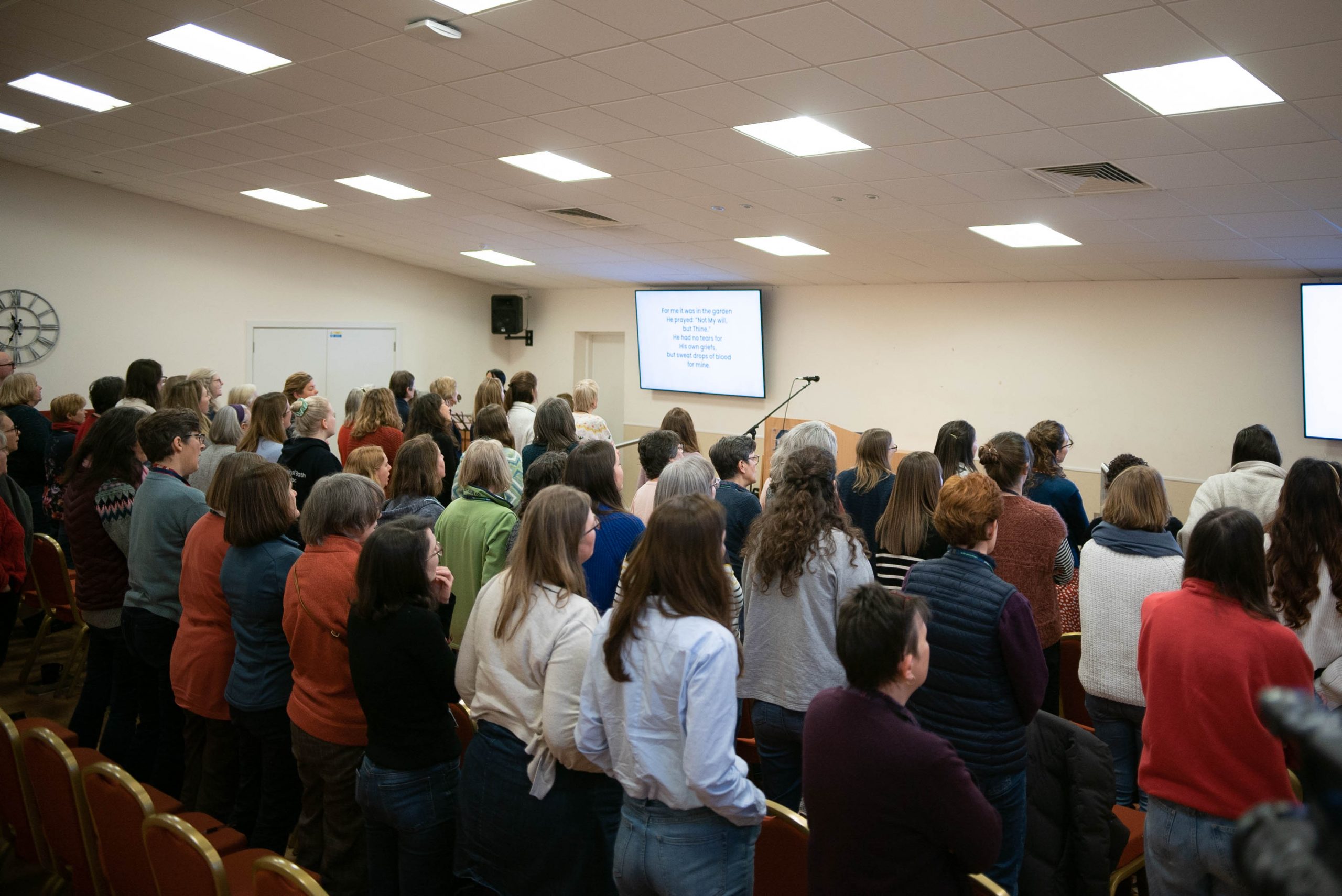
When I was asked by a friend to join her at the Proclamation Trust Women in Ministry conference in January 2024 I had a few reservations. Probably the most significant was the fear that the programme would be so intense that it would be mentally exhausting and possibly too overwhelming to be of real value for me. Another concern was that I would be one of the oldest, yet least experienced, delegates – and I wasn’t far off with that one! But I needn’t have worried on either count. The programme was certainly packed full of wonderful, relevant and stimulating content, but somehow the organisers had managed to build in just the right amount of space and time for relaxation, reflection and rest.
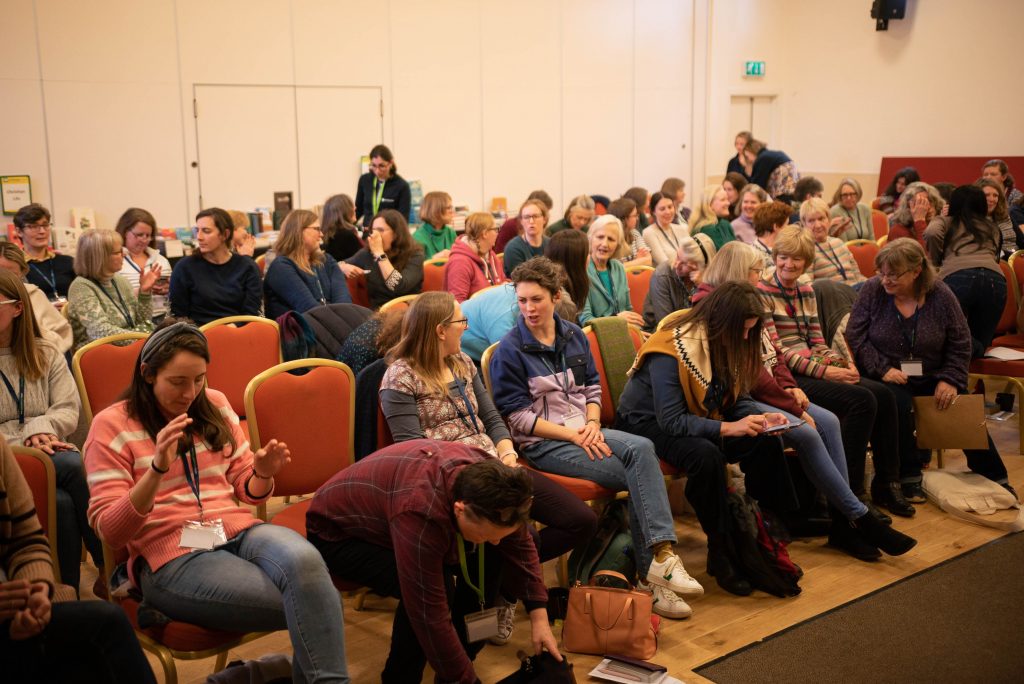
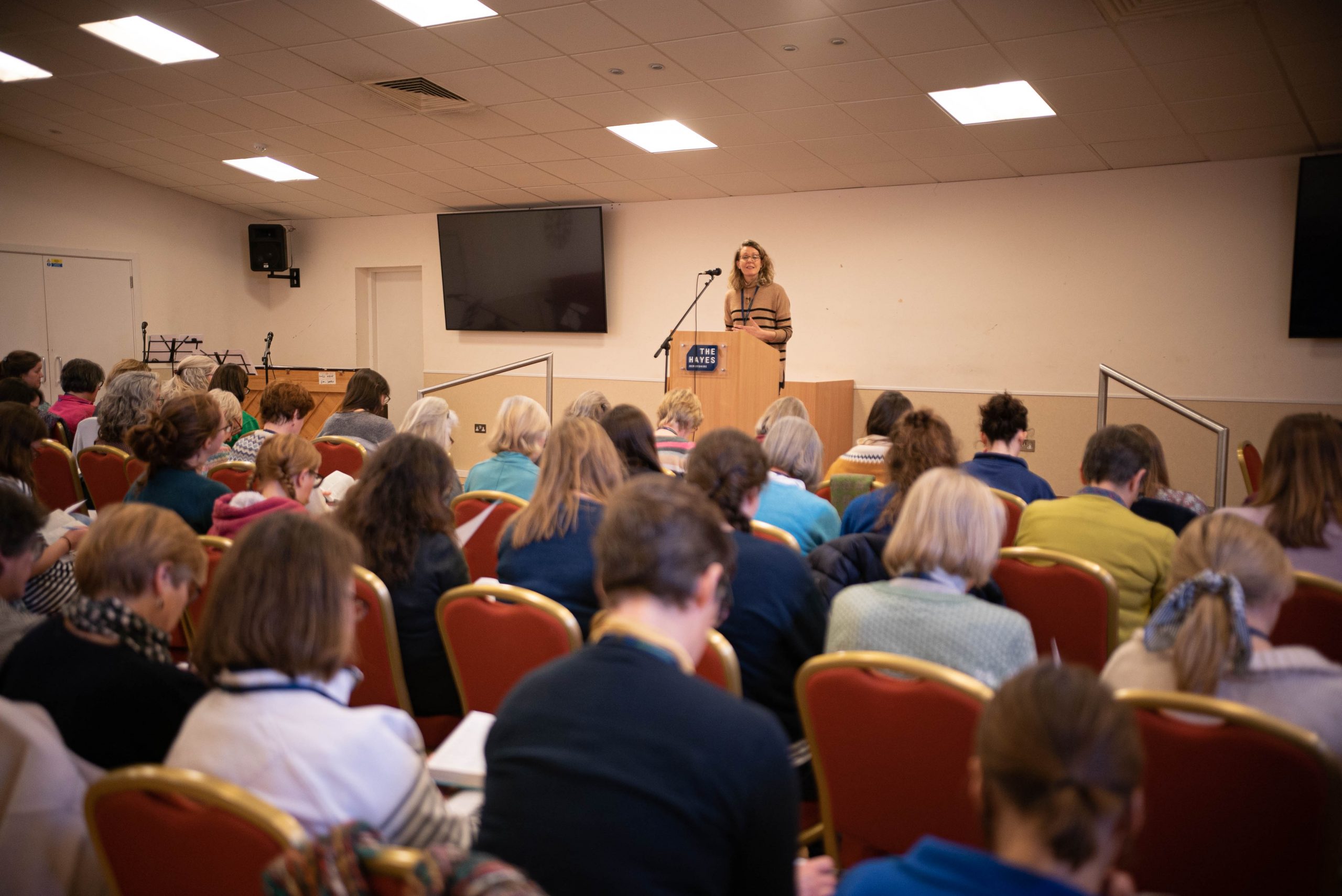
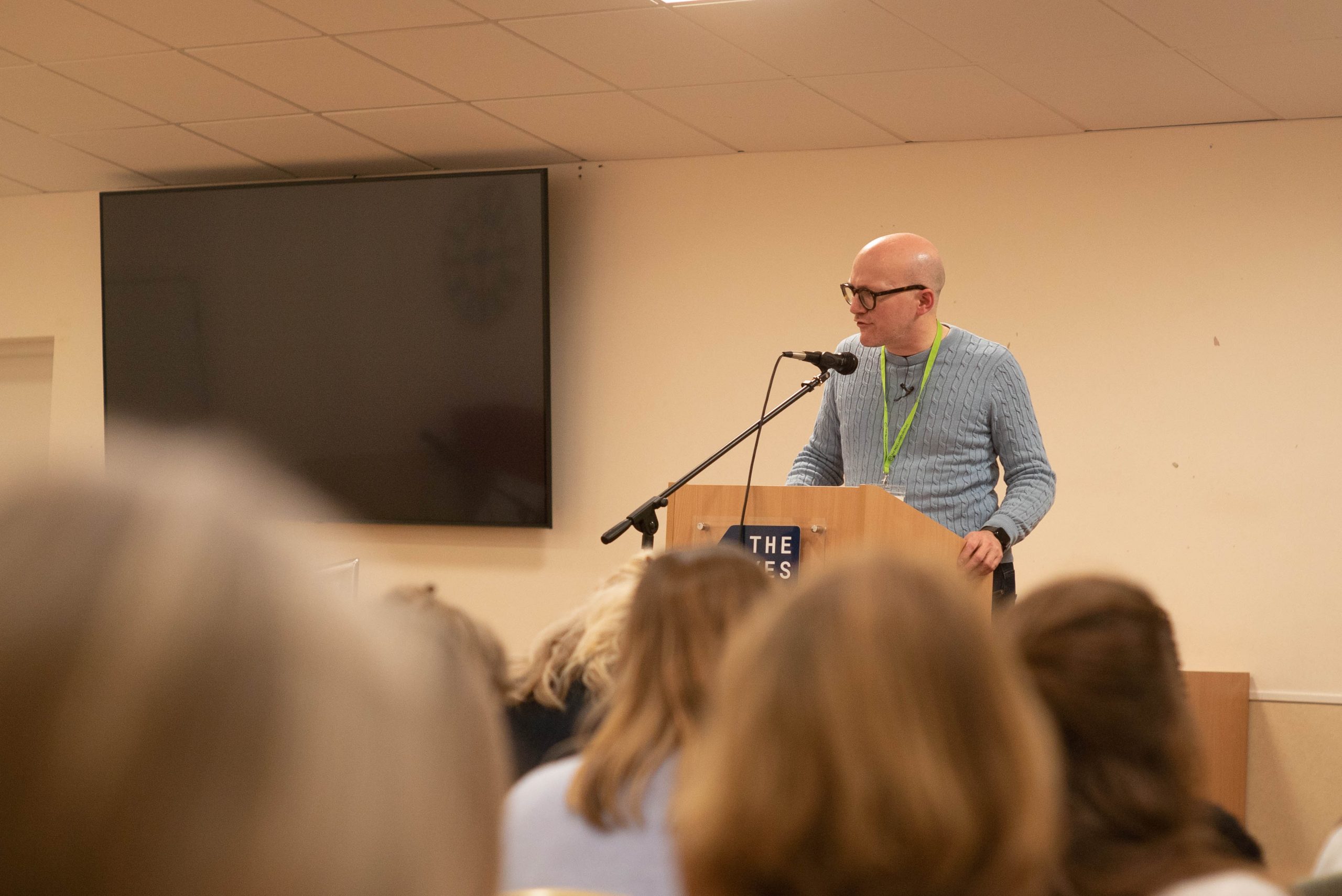
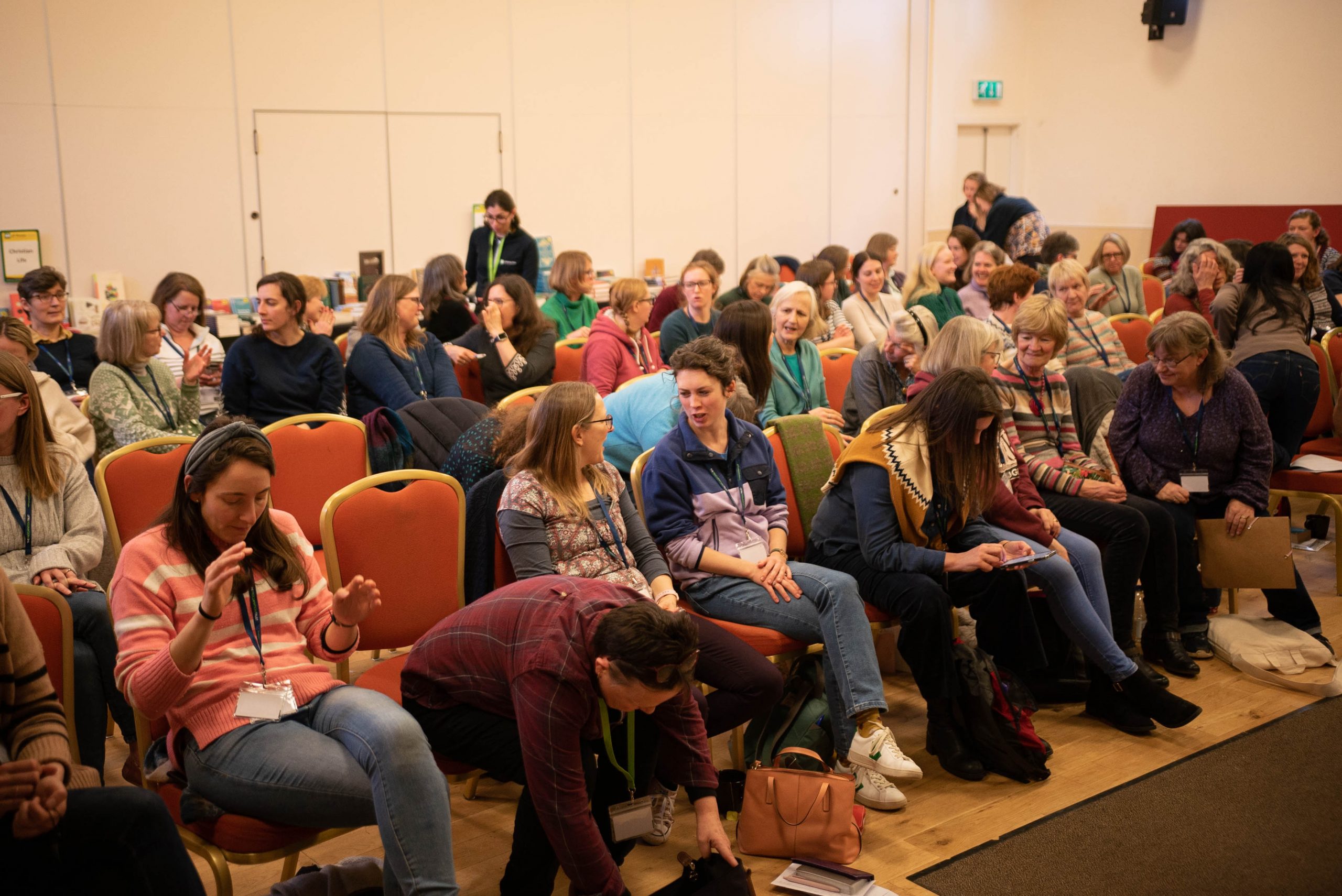
The theme of this year’s conference was teaching the epistles and I valued all the teaching sessions from Andrew Sach in 1 Peter and Amy Wicks teaching 2 Thessalonians as well as the workshop sessions during which delegates collaborated to refine their understanding of the text and its application. If I had to pick out one conference highlight, I think it would be the opportunity to spend quality time in a small group across the 4 days, building relationships and connecting in a deeper way.
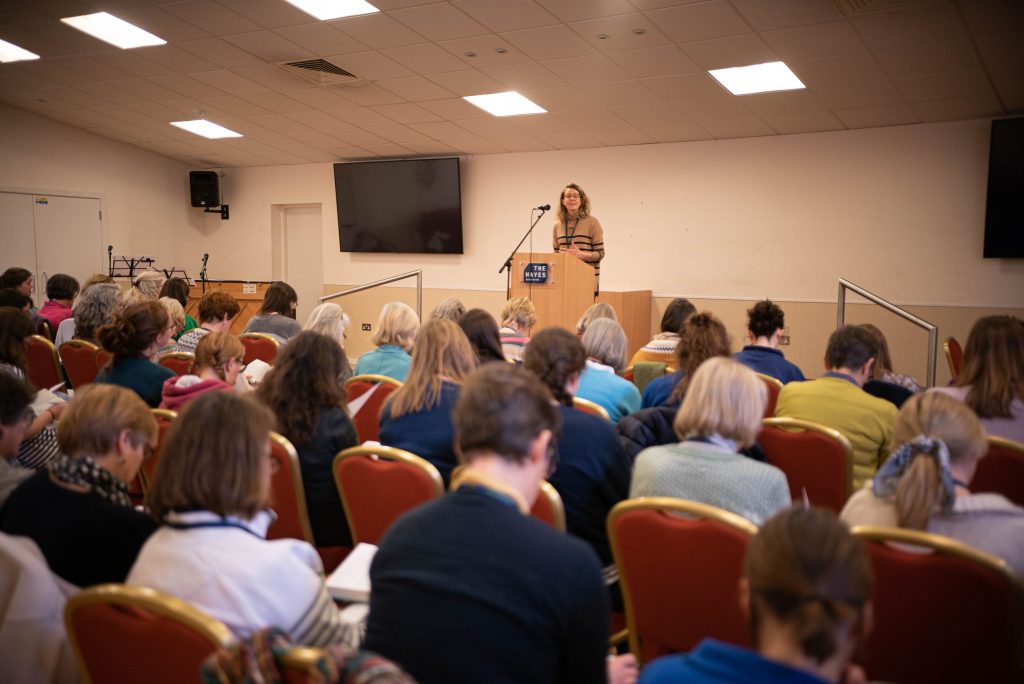
I found it very stimulating and refreshing to meet and exchange ideas with other women engaged in gospel ministry among women, some from high profile city churches and others holding the fort with grace and determination in smaller rural communities. We all had so much in common and it was a real joy and privilege to learn together and pray for one another.
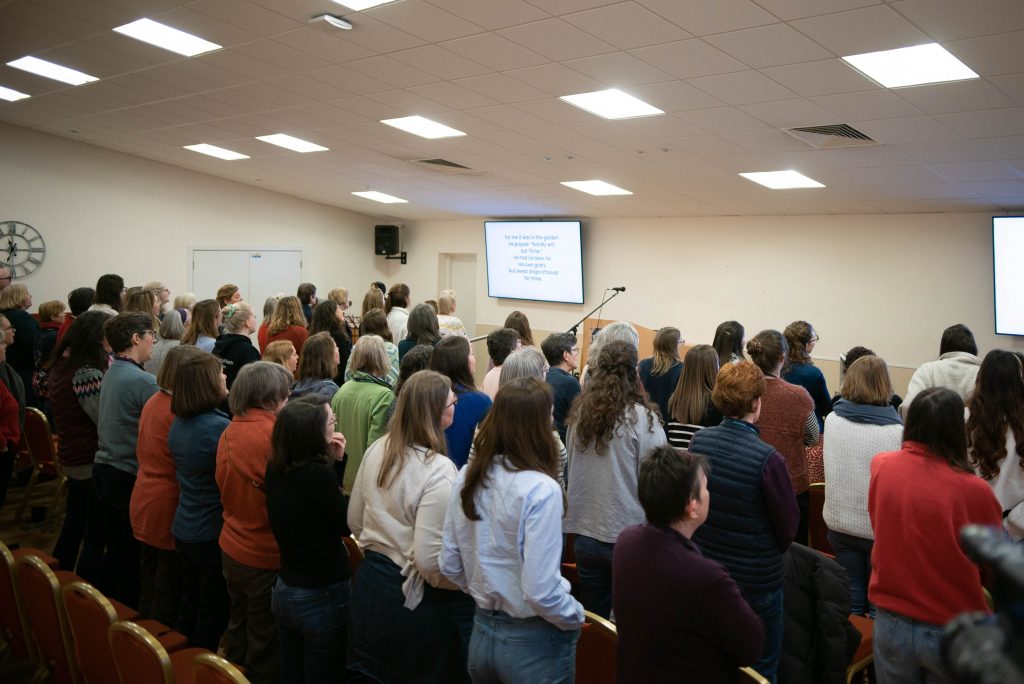
Since the conference, I have enjoyed the opportunity of applying what I learnt in preparing Bible studies for a group of women in my home church. I discovered that I had a new motivation and clearer focus which was just wonderful! Thank you to everyone who worked so hard to bring this amazing conference together and please may I come again next year?
EDITOR’S NOTE: We will be uploading the videos from this year’s Women in Ministry conference later this year, so keep an eye on our resources page!
Proclaimer Blog
Cornhill: A life-changing experience
I wonder what you imagine when someone tells you they had a life-changing experience? I bet it’s not this. And yet – what I’m doing now really is transformational.
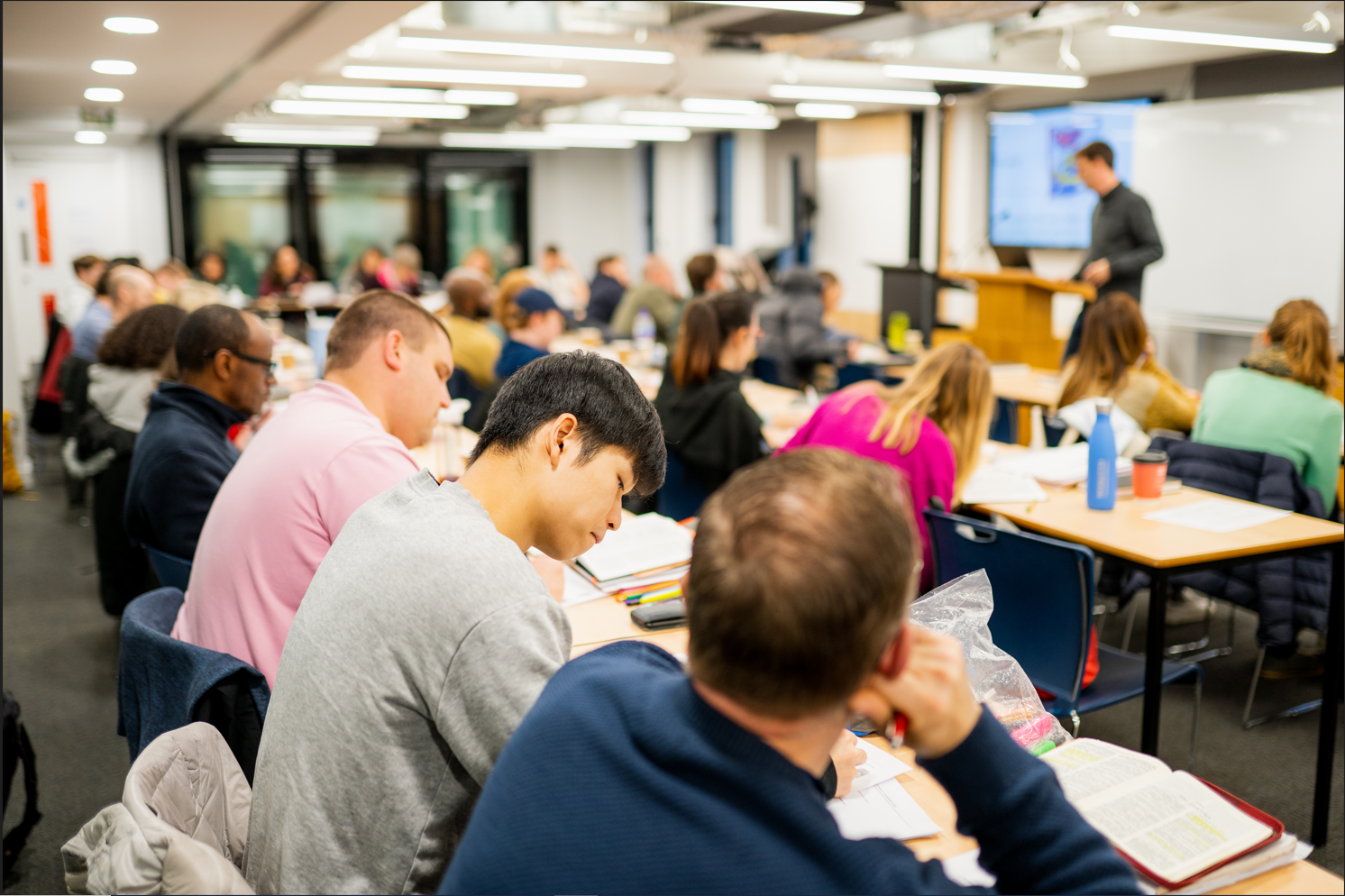
I am sitting in a small, brightly lit lecture room near Elephant & Castle, watching a man in a tweed jacket scribble on a whiteboard. He is drawing expansively swirly diagrams and several of us are attempting to copy them down – onto paper or into laptops. Peering at my neighbour’s notes it is clear that we have rather a long way to go before we are as good at diagrams as the man in tweed.

With me round the table, are among others, a Nepalese guitar player, an ex-journalist, a bearded German with a PhD in immunology, a music MA from one of Britain’s most respected universities, a Bermudan girl, someone whose parents own a fish and chip shop, a former pastry chef, a fifty year old stay-at-home -mum and a tanned Portuguese couple. There’s even someone from Essex (me). It’s about the most diverse environment I’ve ever been in – judged by ethnicity, gender, age and social class.
What do we all have in common? What has brought us to this unglamorous corner of South London on a freezing cold Thursday, braving snow, ice and train strikes? What compels us here every week? Today, it’s nearly the end of term and although we are universally exhausted and battling colds there is a lot of laughter and plenty of jokes.
In an icebreaker session last week we established that two of us have historic family ties to organised crime – but that’s not what unites us. Nor is this a support group for caffeine addicts, although as we cluster round the overworked coffee machine in our breaks, you could be forgiven for drawing that conclusion. We are here on the Cornhill Training Course because we love God and his Word. We have each, in various ways, been brought by his grace to believe that it is the big hope our world needs. And so we passionately long to understand it better so that we can teach it more clearly to others.
The Proclamation Trust runs the course through a progressive series of year-long programmes which aim to equip men and women with the understanding and skills necessary to teach the Bible. The emphasis is on rigorous study distilled into accessible, clear output. At every stage the main input is through study of a Bible book – and delivery of a talk of increasing length and complexity to a small group of peers where students and staff offer critiques and encouragement in a safe environment.
Taught by experienced pastors and lay people who are experts in their field, the focus is on developing students who don’t just parrot competently but are confident to grapple with God’s word for themselves. One of the striking aspects of the teaching I’ve received over the last three years has been the way in which difficult textual questions or live issues are not ducked, and engagement with them is encouraged. There are no ‘coffee questions’ – brushed aside, parked and ignored. Lecturers are up front about the way their own conclusions have evolved and why. They have modelled humility before God’s word and hard work in it.
The Foundation section of the course runs over two years, with one day a week of lectures and about half a day of prep. The advanced section comprises two days of seminars and lectures and correspondingly more study taking it into the full time student category. Being at the rather more mature end of the cohort I am ridiculously tickled to find myself suddenly eligible for a student rail card! In year 3, for example, students like me cover 16 books of the Bible as well as various thematic electives such as evangelistic talks and children’s work, through a combination of seminars, lectures and home study and deliver practice talks on a roughly monthly basis. The course covers practical issues too, like ethics, and ‘serving without sinking’.
On one level this is a course for full-time, paid Christian workers, and certainly many of the students are working for churches and planning on continuing to do so long term. Their studies are feeding into their day jobs – and vice versa. However a significant minority are volunteers who are self-funding. Anyone who is involved in teaching God’s word and wants to sharpen their skills will gain from the experience – whether you’re a lay person wanting to hone skills, already embarked on the first steps of full time Christian ministry or someone considering making the jump from secular work. It’s suitable for students of all levels of experience, and is open to anyone who loves the Bible and has a desire to share the good news with others. It’s totally flexible. You can dip in for a year or stay for several.
On the foundation course with me were an NHS junior doctor seeking to prepare himself for a lifetime of volunteering at church, a sheep farmer who preached part-time, a retired gentleman and a teenager on a gap year. Participants hailed from Romford through Fulham (and since this was on line) to Scotland. It brings a genuinely joyful diversity to classroom life. The Cornhill Training Course is a place where people form lasting friendships with fellow students and teachers, and become part of a community. And it’s a place where God’s word is taken seriously as the means to produce godliness in his people. One of the best things for me has been spending two days a week with a bunch of people who are serious about reflecting Jesus’ character in their own. It’s noticeable and humbling; a little foretaste of heaven transplanted to Southwark.
We’re probably all aware of the dangers and damage done by preaching God’s word badly – or not at all. An unchurched friend interrogated me about a service she’d pitched up to in the run up to Christmas, at a church which doesn’t take Bible teaching seriously:
‘They read this bit where it said those who don’t work shouldn’t eat!’ she said. ‘That doesn’t sit well with me – it seems cruel.’
‘How did they explain the passage?’ I asked.
They hadn’t. At all.
I opened up 2 Thessalonians right there in my local park and we were able to see how it communicates good news about God’s character rather than reflecting a cruel, harsh God! But it illustrated for me all too clearly the desperate need for Bible teachers, for people who believe that God’s word is brilliant news for humanity and who can share it effectively.
Cornhill is one part of the solution, offering flexible, part-time teaching so that people are trained to rightly handle or ‘cut God’s word straight’ [sic] (2 Tim. 2:15), in line with the intentions of the original Biblical authors and its ultimate Author. So that desperate seekers who don’t know their right hand from their left are not left wallowing in ignorance or damaging lies. So that those of us who struggle with life in this dark world (and really, who doesn’t?) can be built up and assured in their faith and stand firm.Jesus asked us to pray for labourers for the harvest. Paul urged us to eagerly desire the greater gifts of word ministry. If you’d like to sharpen your skills at cutting God’s word straight then check out Cornhill.London.
Alternatively, dip your toe in the water through one of the ‘Book in a Day’ courses or join the one-week Cornhill Summer school. Or pop in for a visit! Very few ‘life-changing’ experiences end up living up to the hype – but this one just might.